Why Learning Music Early Matters
Learning a musical instrument isn’t just about playing notes—it builds focus, patience, memory, and confidence. Kids who play music often see improvements in language skills, coordination, and emotional expression. For many, it also becomes a creative outlet they can carry for life. And most importantly? It’s fun.
Best Instruments for Kids by Age
Every child develops differently, but age is a good starting point when choosing an instrument that fits.
For Toddlers (Ages 2–4)
At this age, music should be all about play. Choose instruments that are easy to hold, make a satisfying sound, and encourage movement. Great starter options include:
- Shakers and maracas
- Toy xylophones
- Hand drums or tambourines
- Bells and musical toys
These instruments develop motor skills, coordination, and a basic sense of timing through hands-on play.
For Primary-Age Kids (Ages 5–8)
With better focus and fine motor skills, kids at this age are ready for more structured music-making. They’re also old enough to start lessons and learn the basics of pitch, rhythm, and technique.
Best beginner instruments:
- Keyboard – Great for understanding melody and music structure
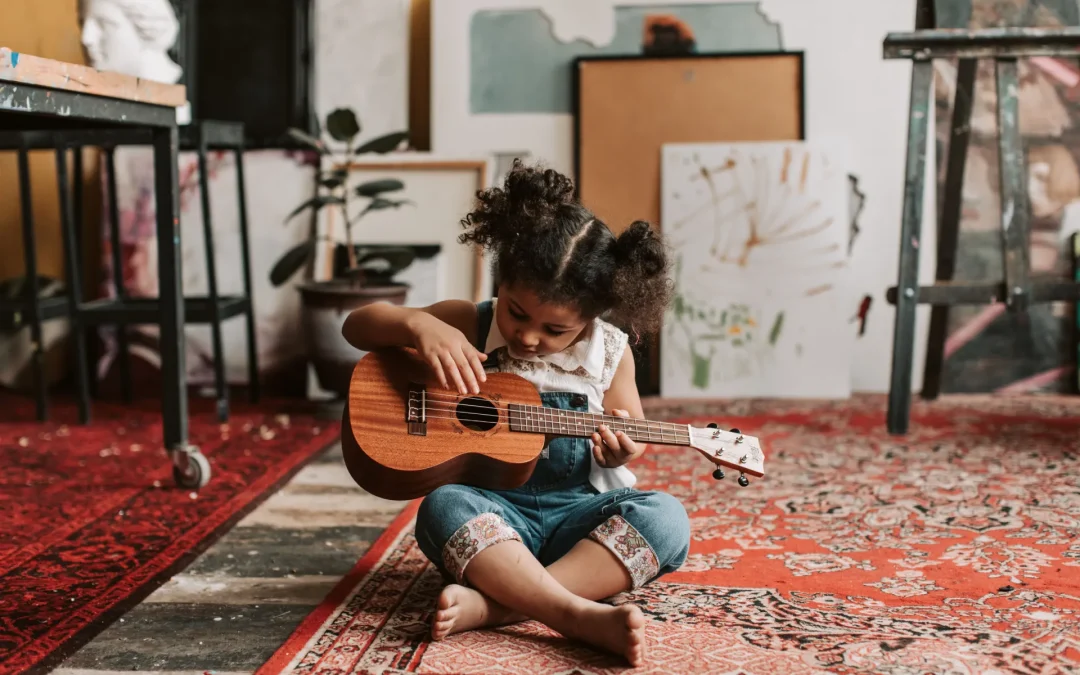
- Ukulele – Small, fun, and rewarding to play quickly
- Recorder – Teaches breath control and introduces note reading
Kids at this stage love discovering what they can do, and a good beginner instrument can spark years of interest.
For Older Kids (Ages 9–12+)
Older children have the focus and dexterity for more complex instruments and are often more motivated when choosing an instrument themselves.
Best beginner instruments:
- Guitar – Versatile and great for creative expression
- Piano – Ideal for building music theory knowledge
- Drums – Perfect for rhythmic learners and high-energy kids
A structured music program or one-on-one lessons can help build strong foundational skills and confidence at this age.
How to Choose the Right Instrument for Your Child
Even with age as a guide, every child is different. Here are a few things to consider before making a choice:
Interest Comes First
The best instrument is the one your child is excited about. Let them listen, watch, and try different instruments before deciding. Curiosity is the best motivator. What excites your child? Let them explore. Do they light up when they hear drums? Are they fascinated by the piano? Following their curiosity helps keep them motivated.
Is the instrument a good physical fit?
Comfort matters, especially at the beginning. Think about hand size, posture, and physical comfort. For example, a full-sized guitar might be too big for small hands, but a ukulele or half-size guitar could be just right.
Practical Considerations
Start with something manageable. What’s realistic for your family? How much space do you have? What’s your budget? Think about your space and budget. A keyboard takes up less room than a piano, and an acoustic guitar or ukulele is much easier to transport and quieter than a drum kit.
Access to music lessons
Make sure you can access qualified teachers and learning resources, whether in person or online. It greatly affects how smoothly your child progresses and is engaged.
Music Shapes More Than Sound
The benefits of learning an instrument go far beyond scales and songs. It teaches children how to stick with something, solve problems, and express themselves in a whole new way. It helps children express themselves and connect with their surroundings, fostering confidence, focus, and joy.
Music can be a hobby, a passion, or even a career, but more than anything, it’s a skill that builds character.
Start Your Child’s Musical Journey with Us
At Musical Minds, every child can experience the joy of music with support and guidance. Our instrumental lessons are tailored to beginners and led by experienced, passionate teachers who know how to keep learning fun and rewarding.
Still exploring your options? We’re here to help you choose the best path forward. Get in touch today to talk with our team and find the perfect first instrument for your child.