Why early music education strikes the right chord for life-long development
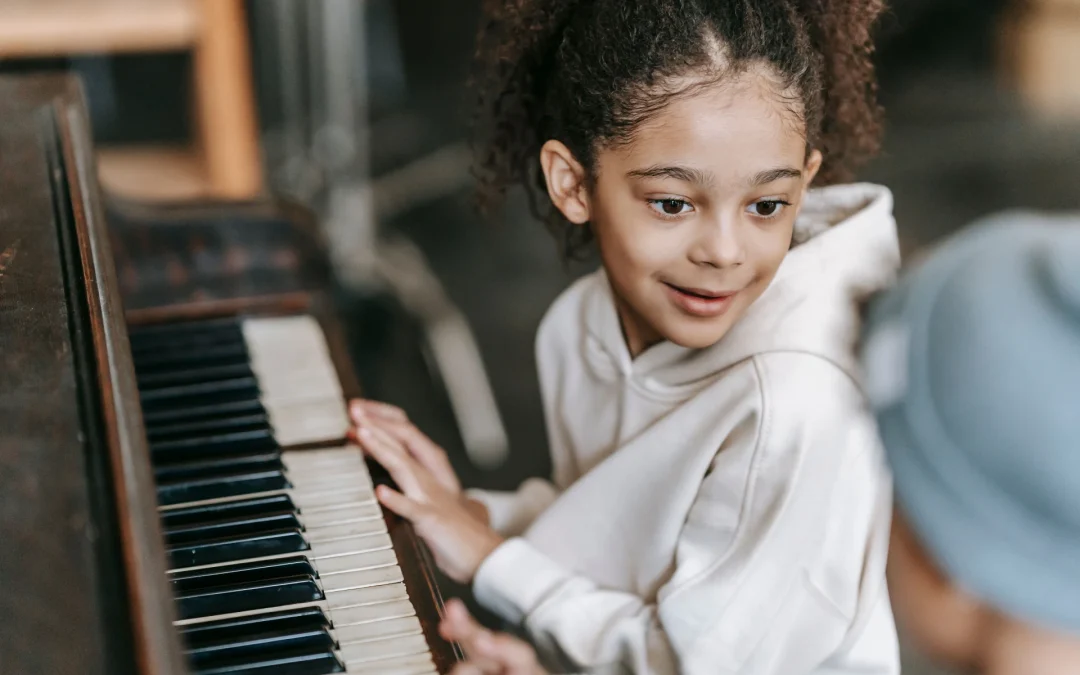
Whether they’re strumming a guitar, tapping piano keys or belting out their favourite song, music has a magical way of lighting up a child’s world. For many children, learning an instrument is the start of something special. It may spark creativity, improve focus, and give them the confidence to try new things. Even a few lessons can introduce powerful new ways of thinking and expressing oneself.
With the right support, learning an instrument can provide structure, encourage imagination and open up new possibilities as they grow. Let’s look at five key benefits of learning an instrument for children and how music may help them thrive in and out of the classroom.
1. It Boosts Thinking and Learning Skills
Music challenges the brain in all the right ways. Each lesson combines memory, focus, problem-solving, and active listening. Children learn to make quick decisions, pay attention to detail and develop strong recall.
- Improves memory and attention
Playing an instrument involves remembering notes, rhythms, finger positions and musical patterns. This mental training can strengthen working memory and help kids stay focused longer. - Supports language development
Musical training encourages children to listen closely to sounds and recognise subtle changes in pitch, rhythm and tone. These skills align closely with language development, especially when learning to read, spell and understand spoken words. - Reinforces maths skills
Timing, counting, patterns and rhythm all support mathematical thinking. Kids develop a natural sense of structure, sequencing and division simply by learning to keep a beat or play within a time signature.
2. It Builds Confidence and Personal Growth
One of the key benefits of learning an instrument for children is the confidence it can inspire. Each time a child learns something new, they experience a small but meaningful achievement.
- Confidence grows with each success
From mastering a simple song to performing for an audience, music can help children feel proud of their learning and encourage them to take on new challenges. - Practice encourages persistence
Learning an instrument teaches the value of consistent effort. Over time, children may build patience, resilience and a willingness to keep trying, even when it’s tricky. - Music gives a creative outlet for emotion
Children might not always have the words to describe how they feel, but they can express themselves through sound, rhythm and melody. This can help build emotional awareness and create a healthy space for self-expression.
3. It Strengthens Motor Skills and Coordination
Playing an instrument involves careful physical movements, making it a great way to support a child’s physical development. It can help them become more aware of their bodies while improving coordination.
- Fine motor control improves
Instruments like piano and guitar may help children improve hand strength and finger precision — essential skills for writing, drawing and everyday tasks. - Hand-eye coordination becomes more refined
Reading music while playing encourages coordination between visual input and physical movement. - Left and right-hand independence develops
With instruments such as the piano and guitar, each hand often performs a different role. This encourages bilateral coordination and helps children build dexterity and control across both sides of the body.
4. It Can Encourage Creativity and Curiosity
Learning music is as much about creativity as it is about structure. Children naturally begin to explore sounds and patterns, ask questions and create their own versions of what they hear.
- Promotes imaginative thinking
Music gives children the freedom to experiment, invent and play — important foundations for creative thinking. - Inspires curiosity and exploration
As their skills grow, children often want to try different instruments or discover new musical styles, keeping their learning experience fresh and exciting.
5. It Creates Long-Term Enjoyment and Opportunities
The benefits of learning an instrument for children can last long after the lessons stop. Music may become a lifelong source of joy, confidence and possibility.
- Builds useful life skills
Through music, children can learn discipline, time management, focus and creativity — all helpful as they move through school and beyond. - Opens future pathways
Some children may develop a passion that leads to further study or careers in performance, teaching or music production. - A lifelong source of joy
Music often stays with a child for life, whether it’s playing at home for fun or performing with others.
Final Thoughts
Learning an instrument may bring joy, focus, and a sense of achievement to a child’s world. Each lesson can help build valuable skills such as coordination, emotional expression, creative thinking, and the ability to focus and retain information. Music may also improve memory, encourage exploration, boost confidence, and make learning feel exciting and enjoyable.
As children continue to play and grow, these experiences can shape how they approach challenges, connect with others, and see themselves. The benefits of learning an instrument for children may reach many areas of life and help create a strong, positive foundation for the years ahead.
Let’s Make Music a Part of Your Child’s Story
At Musical Minds, we offer singing lessons for kids that are designed to support every child’s journey with music. Our programs are fun, thoughtful and customised to help children grow at their own pace.
If you’d like to learn more or book a trial session, get in touch with us today. We’d love to help your child experience the magic of learning an instrument!